Microprocessor-controlled automatic sliding doors — single, bi-parting, telescopic and hermetic hospital doors with radar and safety sensors, access-control integration and battery backup.
Bi-parting and single-slide operators with adjustable speed, hold-open and pharmacy (partial-open) modes.
Multi-leaf telescopic tracks that deliver maximum clear opening in tight façades.
Sealed sliding doors for OTs and ICUs with hygienic flush leaves and foot-switch/elbow activation.
Low-energy swing operators to automate existing doors for accessibility.
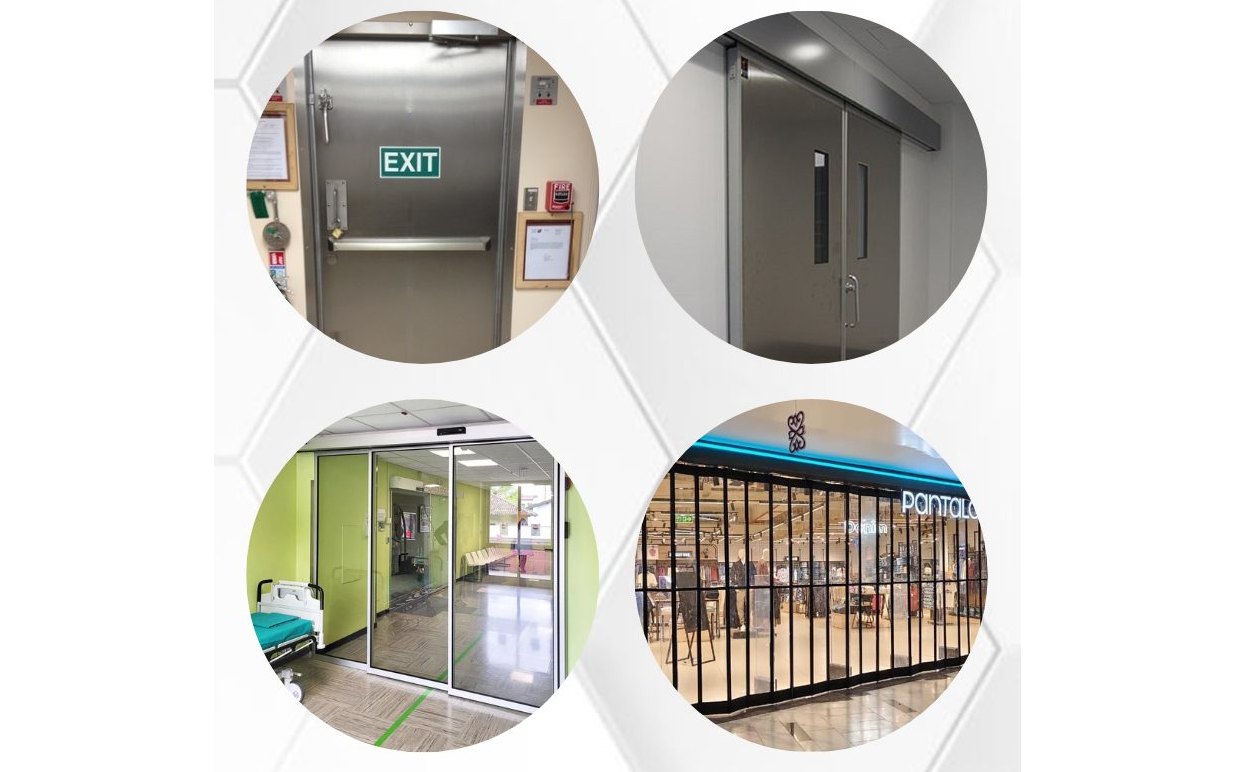
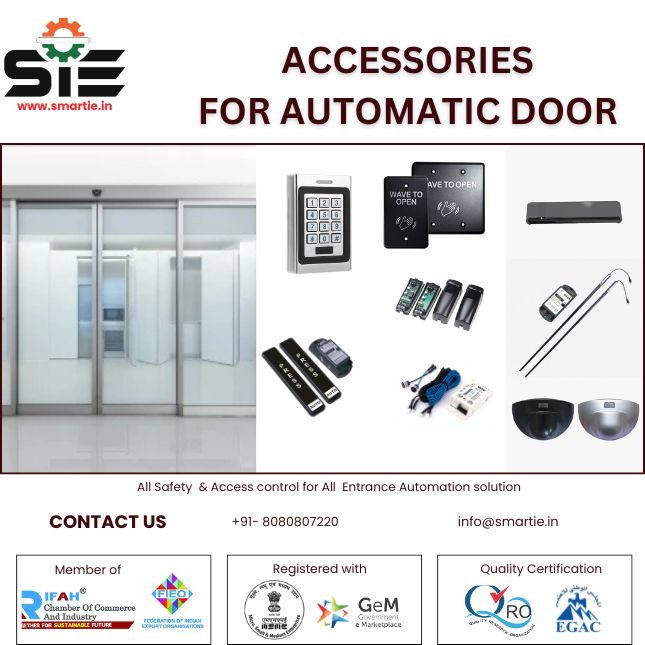
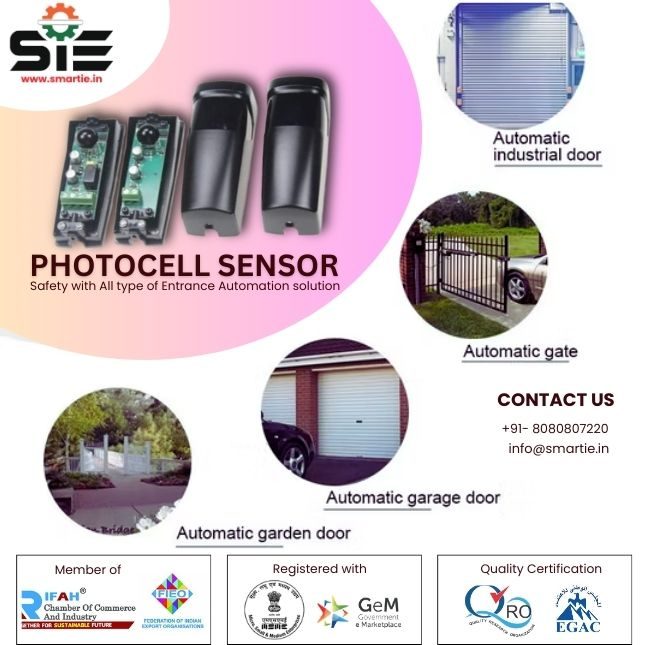
Automatic doors open for a person without a touch — a radar sensor sees someone approaching, the operator slides the leaves apart, a safety photocell keeps them open while anyone is in the way, and they close again. For a building they signal hygiene, accessibility and a premium entrance; for a facility manager they cut air-conditioning loss because the door is never left open.
Types. A single sliding door for narrow entries; bi-parting (two leaves) for the usual 2–3 m shopfront, hotel or hospital entrance; telescopic (four leaves) when you need a wide clear opening in a short wall; hermetic sliding doors for operation theatres, ICUs and cleanrooms, which seal against the frame; and swing-door operators that automate an existing hinged door. Glass can be toughened clear, frosted or laminated; frames in anodised or powder-coated aluminium.
What decides the price? The clear opening width and height, the number of leaves, glass specification, the operator (SIE microprocessor operators with brushless DC motors, rated by door weight), the sensor set (radar, safety photocell, touchless switch, push-button, key switch) and access control — card, code or face recognition — if the door also has to lock. A standard bi-parting shopfront door is the entry point; hermetic hospital doors with interlocks are at the top.
Service. Automatic doors move thousands of times a day, so the belt, rollers and sensors need an annual check. We offer AMCs with priority breakdown response in Mumbai and through dealers in other cities, and keep operator spares, belts and sensors in stock.
Send the opening size, the site type (hospital, hotel, showroom, office) and a photo on WhatsApp for a recommendation and quotation the same day.
In most cases yes — we retrofit operators onto existing frameless and framed glass doors after a site survey.
It depends on opening size, number of leaves, glass, operator rating, sensors and whether access control is required. A standard two-leaf shopfront door is the entry point; hermetic hospital doors with interlocks cost the most. WhatsApp the opening size for a same-day quotation.
Often yes — a swing-door operator automates a hinged door, and many framed sliding doors can be fitted with an SIE sliding operator, radar and safety sensors.
Bi-parting sliding doors with safety sensors for entrances and corridors, and hermetic sealed sliding doors for operation theatres, ICUs and cleanrooms, often with foot or touchless switches.
A radar sensor opens the door, a safety photocell or light curtain keeps it from closing on anyone in the opening, and the operator reverses on obstruction. In a power cut the leaves can be pushed open.
Yes — Mumbai, Thane and Navi Mumbai with our own teams, and pan-India through dealer partners with Mumbai engineering support and AMC.
GI, aluminium, polycarbonate & India's only 100% Indian-make full-length transparent shutter.
ExploreRapid roll PVC doors up to 100 RPM-class SIE40–SIE100 motors for hygiene, logistics and cold chain.
ExploreInsulated overhead sectional doors, stacking doors and residential garage automation with SIE16/36 openers.
ExploreShare your opening size and a photo — our Mumbai engineering desk replies with the right system and budget.